The landscape of Arabic online casino websites has experienced significant growth and transformation in recent years, reflecting broader technological advancements and shifting cultural dynamics. As internet accessibility continues to expand across the Middle East and North Africa (MENA) region, more users are engaging with digital entertainment platforms, including online casinos. This surge in interest has prompted developers and operators to adapt their offerings to meet the unique preferences and regulatory environments of Arabic-speaking audiences.
One notable trend is the increasing localization of content. Arabic online casino websites now prioritize language options that cater specifically to native speakers, ensuring a seamless user experience. This goes beyond mere translation; it involves integrating culturally relevant themes, symbols, and narratives that resonate with players from different Arab countries. Such customization helps build trust and loyalty among users who might otherwise be hesitant about engaging with gambling platforms due to cultural or religious concerns.
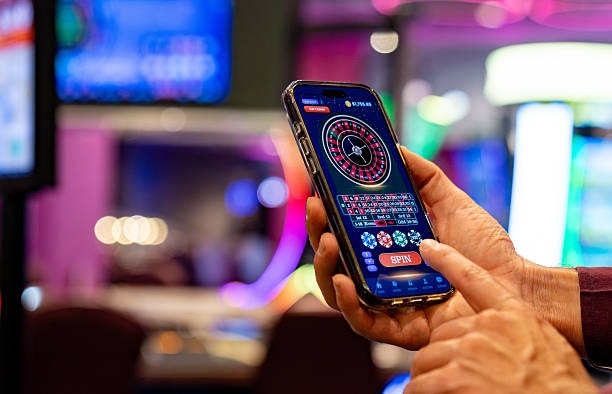
Another important development is the emphasis on mobile compatibility. With smartphone penetration rates soaring throughout the MENA region, many players prefer accessing online casinos via their mobile devices rather than desktop computers. Recognizing this best arab online casinos shift, operators have invested heavily in creating responsive website designs and dedicated apps optimized for various screen sizes and operating systems. These mobile-friendly platforms facilitate convenient gameplay anytime and anywhere, contributing significantly to user retention.
Payment methods also reflect regional specificities. Traditional international banking options may not always be accessible or preferred by Arabic users due to restrictions or personal preferences related to privacy and security. Consequently, many Arabic online casino sites incorporate alternative payment solutions such as e-wallets popular within the region or cryptocurrencies like Bitcoin which offer anonymity alongside ease of use. Additionally, some platforms support local currencies alongside major ones like USD or EUR to simplify transactions further.
Security remains paramount given the sensitive nature of gambling activities in regions where regulations can be stringent or ambiguous. Leading Arabic online casinos employ advanced encryption technologies along with strict data protection policies designed to safeguard player information against breaches or misuse. Licensing from reputable authorities-often outside local jurisdictions-is commonly displayed prominently on these sites as a mark of legitimacy.
Furthermore, live dealer games have gained traction among Arabic players seeking an immersive experience akin to physical casinos while remaining within their homes’ comfort zones. These real-time interactions foster social engagement through chat functions moderated for appropriateness according to cultural norms.
In conclusion, trends shaping Arabic online casino websites underscore a blend of technological innovation tailored carefully around cultural nuances and practical considerations such as device usage patterns and payment preferences. As this sector matures further amidst evolving legal frameworks across different countries in the Arab world, we can expect continued enhancements aimed at delivering safe, enjoyable gaming experiences aligned closely with regional expectations.